What is the Golden Circle in Iceland?
The Golden Circle is Iceland’s most famous sightseeing route, usually starting and ending in Reykjavík.
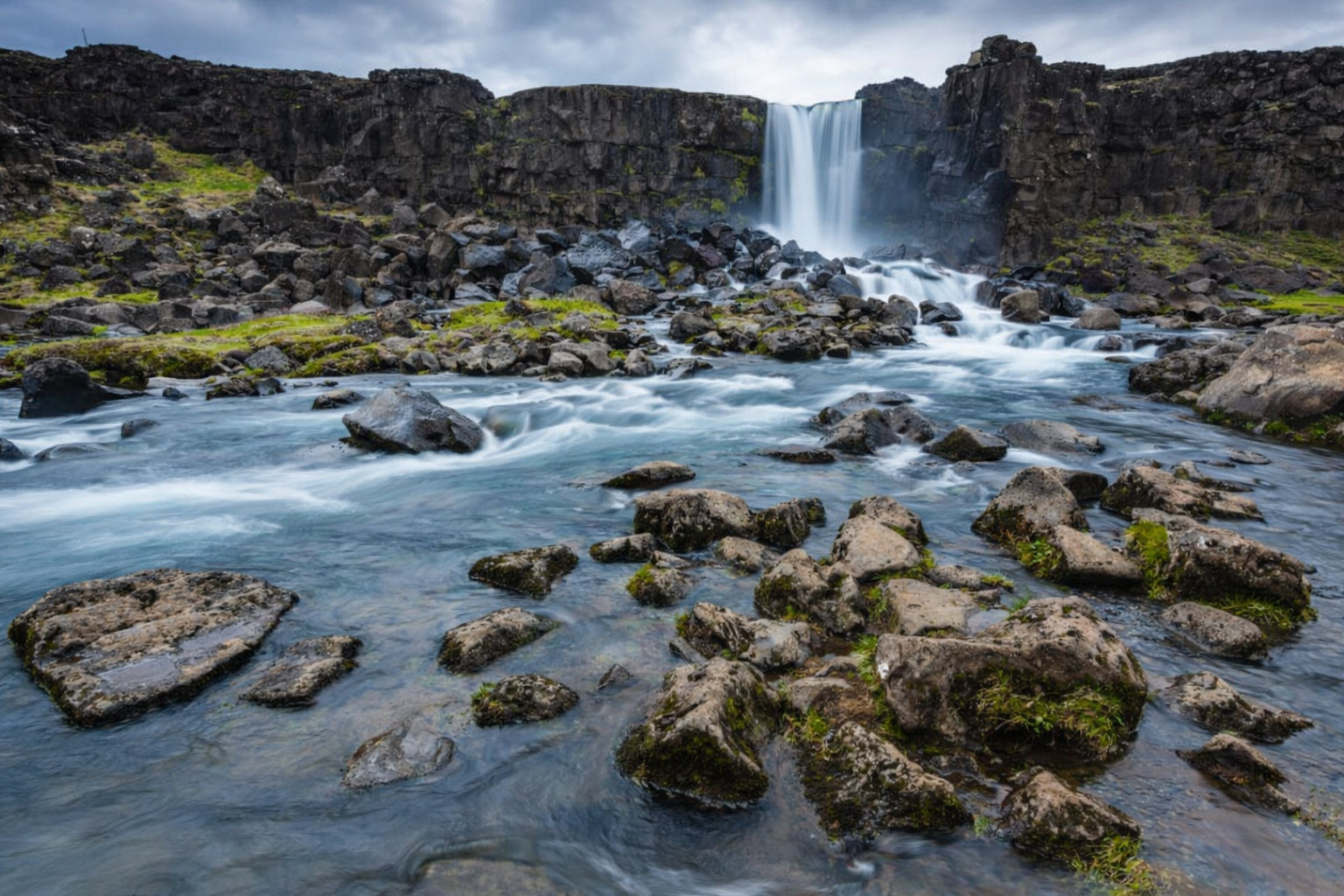
The classic route includes three main stops: Thingvellir National Park, the Geysir geothermal area, and
Gullfoss waterfall. Many tours also add extra stops such as Kerid crater, Secret Lagoon, Fridheimar tomato
farm, or other nearby attractions.
Why is it called the Golden Circle?
The route is called the Golden Circle because it forms a circular sightseeing route from Reykjavík and
includes Gullfoss, whose name means Golden Falls. The name is now widely used for the popular day-trip
route covering Thingvellir, Geysir, and Gullfoss.
What are the main stops on the Golden Circle?
The three classic Golden Circle stops are Thingvellir National Park, the Geysir geothermal area, and
Gullfoss waterfall. Thingvellir is known for Icelandic history and visible tectonic landscapes, Geysir is
known for erupting hot springs, and Gullfoss is one of Iceland’s most powerful and famous waterfalls. See our
Complete Golden Circle Guide for the full route, map
and driving times.
Is the Golden Circle worth visiting?
Yes, the Golden Circle is worth visiting for most first-time visitors to Iceland. It combines dramatic
scenery, geothermal activity, waterfalls, and important Icelandic history in a single day trip from
Reykjavík. It is popular and can feel busy, but it remains one of the easiest ways to see several classic
Iceland landscapes in a short time.
How long does the Golden Circle take?
A classic Golden Circle day trip usually takes around 6 to 8 hours from Reykjavík, depending on how long
you spend at each stop. Tours with extra experiences such as the Blue Lagoon, Secret Lagoon, snowmobiling,
or Northern Lights can take longer, often around 8 to 10 hours or more.
Can you do the Golden Circle in one day?
Yes, the Golden Circle is one of the easiest Iceland day trips to do in one day from Reykjavík. Most
visitors visit Thingvellir, Geysir, and Gullfoss in a single day, with time for one or two extra stops if
they start early or join a longer guided tour.
Can you do the Golden Circle in half a day?
It is possible to visit the Golden Circle in half a day, but it will feel rushed. A half-day trip usually
focuses on the three main stops with limited time at each location. For a more relaxed visit, a full-day
itinerary is usually better.
Is the Golden Circle near Reykjavík?
Yes, the Golden Circle is close enough to Reykjavík for a day trip. The first major stop, Thingvellir
National Park, is usually less than an hour from Reykjavík by car, while the full circular route takes
several hours including sightseeing stops.
Is the Golden Circle the same as the Ring Road?
No, the Golden Circle and the Ring Road are different routes. The Golden Circle is a shorter day-trip
route near Reykjavík, while the Ring Road is the main road that circles the whole of Iceland and usually
takes several days to explore properly.
Is the Blue Lagoon on the Golden Circle?
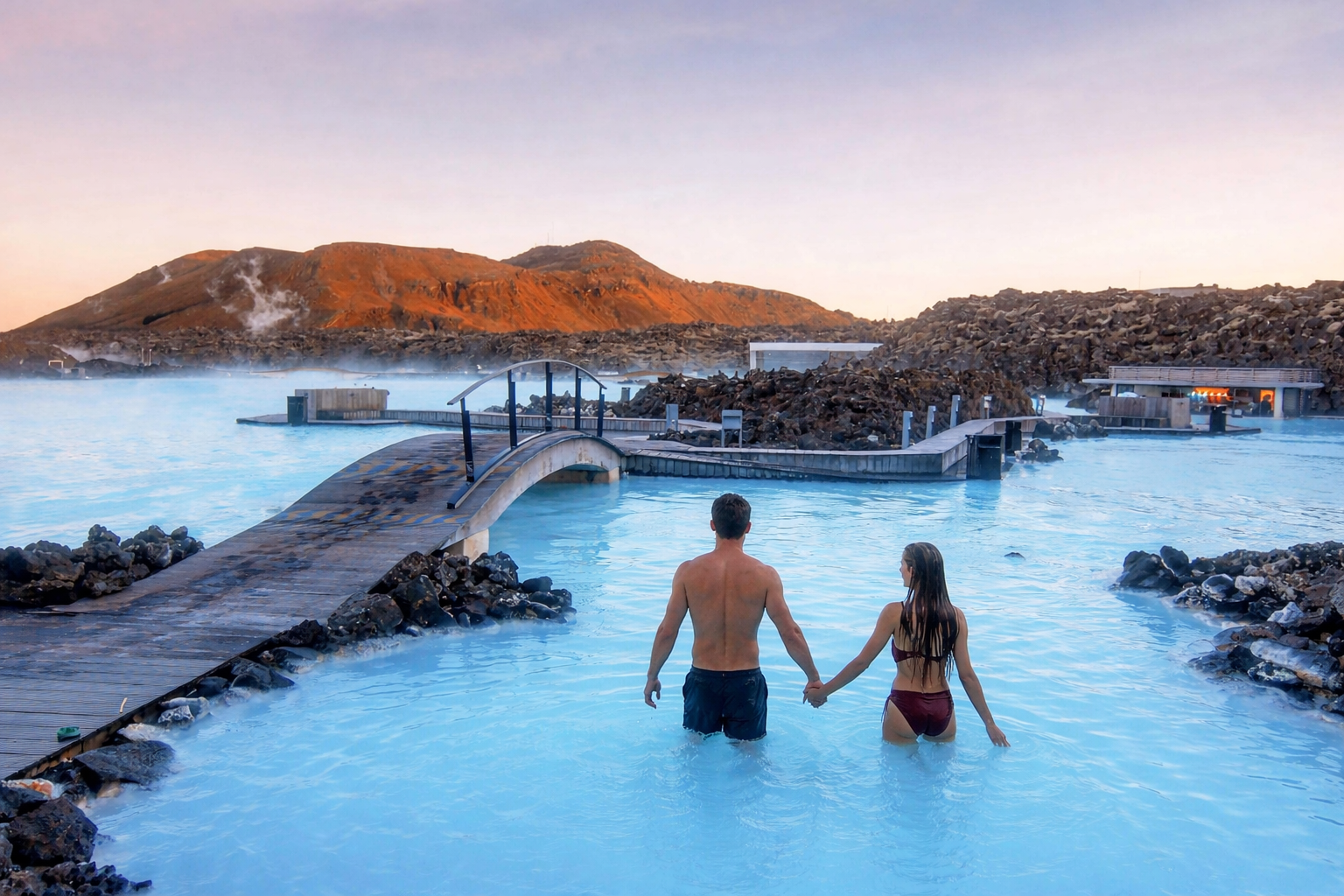
No, the Blue Lagoon is not on the classic Golden Circle route. The Blue Lagoon is located on the Reykjanes
Peninsula, closer to Keflavík Airport. However, some full-day tours combine the Golden Circle with the Blue
Lagoon.
Can you visit the Golden Circle and Blue Lagoon in one day?
Yes, you can visit the Golden Circle and Blue Lagoon in one day, but it makes for a long and busy
itinerary. It works best as an organised tour or a carefully planned self-drive day with an early start.
Many visitors prefer to do them on separate days if they want a slower pace.
Should I book a Golden Circle tour or drive myself?
Both options can work. Self-driving gives you more flexibility, especially in summer. A guided tour is
easier if you do not want to rent a car, drive in winter conditions, plan the route, or worry about parking
and timing. Guided tours also add commentary and context at each stop.
Is a guided Golden Circle tour worth it?
A guided Golden Circle tour is worth it if you want a simple, low-stress day trip from Reykjavík. It is
especially useful in winter, for first-time visitors, or for travellers who prefer local context rather
than just stopping for photos. Self-driving may be better if you want maximum flexibility.
Can you do the Golden Circle without a tour?
Yes, you can do the Golden Circle without a tour if you rent a car. The route is popular and well
established, but driving conditions can vary, especially in winter. If you are not comfortable with icy
roads or fast-changing weather, a guided tour may be the easier choice.
Do you need a car for the Golden Circle?
You do not need a car if you book a guided Golden Circle tour from Reykjavík. If you want to travel
independently, then you will need a rental car, as public transport is not a practical way to visit all the
main Golden Circle stops in one day.
Do you need a 4x4 for the Golden Circle?
In normal conditions, you usually do not need a 4x4 for the standard Golden Circle route because it
follows regular roads. In winter, road conditions can be icy or snowy, so travellers should check
conditions before driving. A 4x4 may feel more reassuring in winter, but it does not replace careful
driving.
Is the Golden Circle safe to drive in winter?
The Golden Circle can be driven in winter, but conditions may include snow, ice, wind, and limited
daylight. Visitors should check road and weather updates before setting out. If you are not used to winter
driving, a guided tour is often the safer and easier option.
What is the best time of year to visit the Golden Circle?
The Golden Circle can be visited year-round. Summer offers long daylight hours, easier driving, and
greener landscapes. Winter offers snow-covered scenery, fewer daylight hours, and a more dramatic
atmosphere. Spring and autumn can be good compromise seasons with changing landscapes and fewer crowds than
peak summer. For a month-by-month breakdown, see our guide to the
best time to visit the Golden Circle.
Is the Golden Circle worth it in winter?
Yes, the Golden Circle can be very worthwhile in winter. Snow and ice can make the landscapes feel more
dramatic, especially at Gullfoss and Thingvellir. The trade-off is shorter daylight, colder weather, and
more challenging road conditions.
Is the Golden Circle worth it in summer?
Yes, summer is one of the easiest and most comfortable times to visit the Golden Circle. You get long
daylight hours, better driving conditions, and more flexibility. The main downside is that the route is
usually busier, especially at the most famous stops.
What should I wear on a Golden Circle tour?
Wear warm layers, a waterproof or windproof outer layer, and comfortable shoes with good grip. Icelandic
weather can change quickly, even in summer. In winter, add thermal layers, gloves, a hat, and sturdy
footwear suitable for icy paths.
Are Golden Circle tours suitable for families?
Yes, many Golden Circle tours are suitable for families. The main stops are accessible enough for most
children, and the route offers varied scenery without requiring long hikes. Families should check tour
duration, pickup arrangements, and whether child seats or age restrictions apply.
Are Golden Circle tours suitable for seniors?
Many Golden Circle tours are suitable for seniors because the route involves short walks rather than
demanding hikes. However, paths may be icy in winter, and some viewpoints include steps or uneven ground.
Travellers with mobility concerns should check the tour details before booking.
Is the Golden Circle accessible?
Parts of the Golden Circle are accessible, but accessibility varies by stop, season, and weather. Some
viewpoints and paths may be uneven, wet, icy, or include steps. Visitors with mobility needs should check
the specific tour or attraction information before travelling.
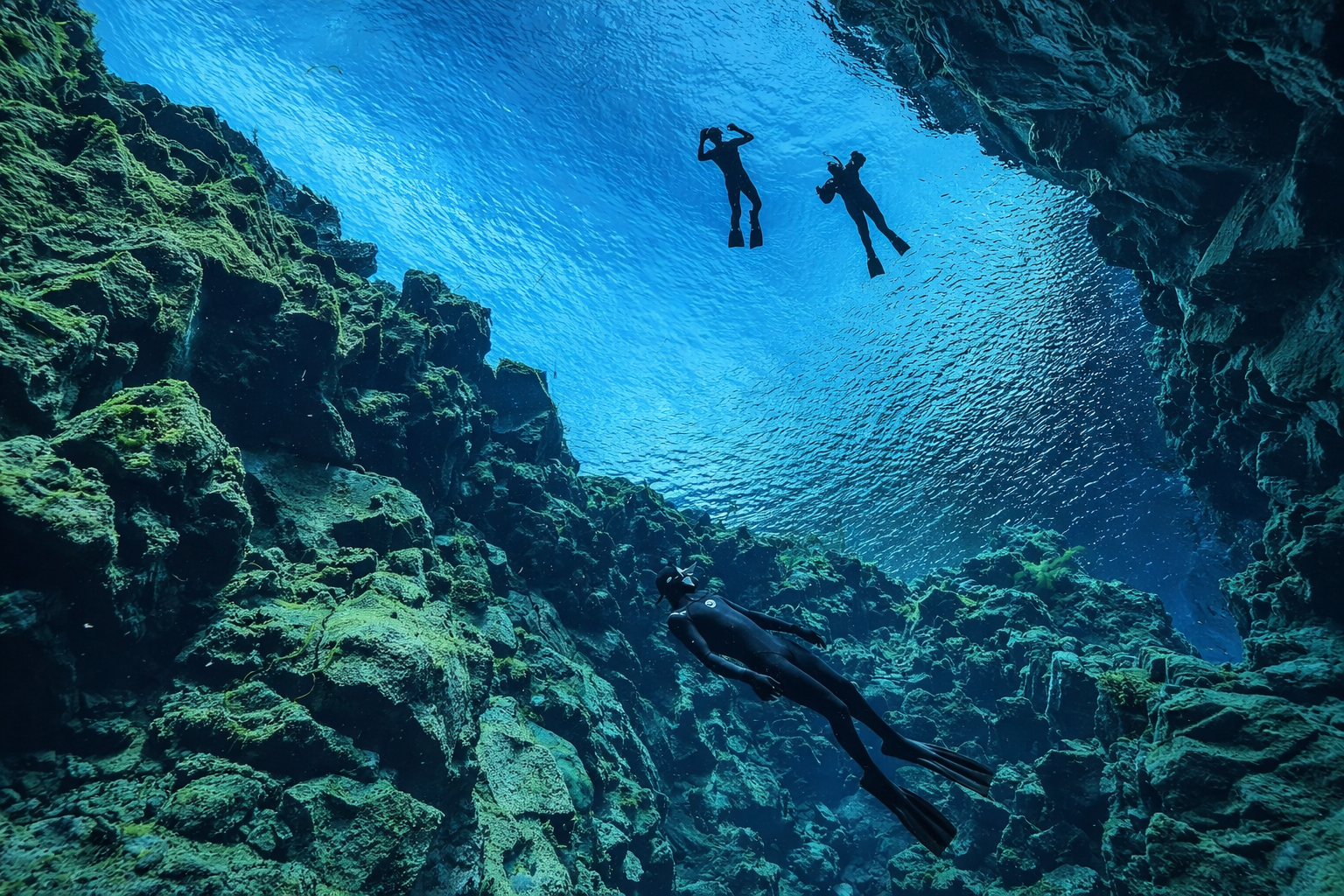
What is special about Thingvellir National Park?
Thingvellir National Park is special because it combines Icelandic history and geology. It was the site of
Iceland’s historic parliament and sits in a dramatic rift valley where the North American and Eurasian
tectonic plates are pulling apart. Read our full
Þingvellir National Park guide.
Can you see tectonic plates on the Golden Circle?
Yes, you can see the landscape created by the movement of the North American and Eurasian tectonic plates
at Thingvellir National Park. Visitors often walk through the Almannagja gorge, one of the most
recognisable features of the rift valley.
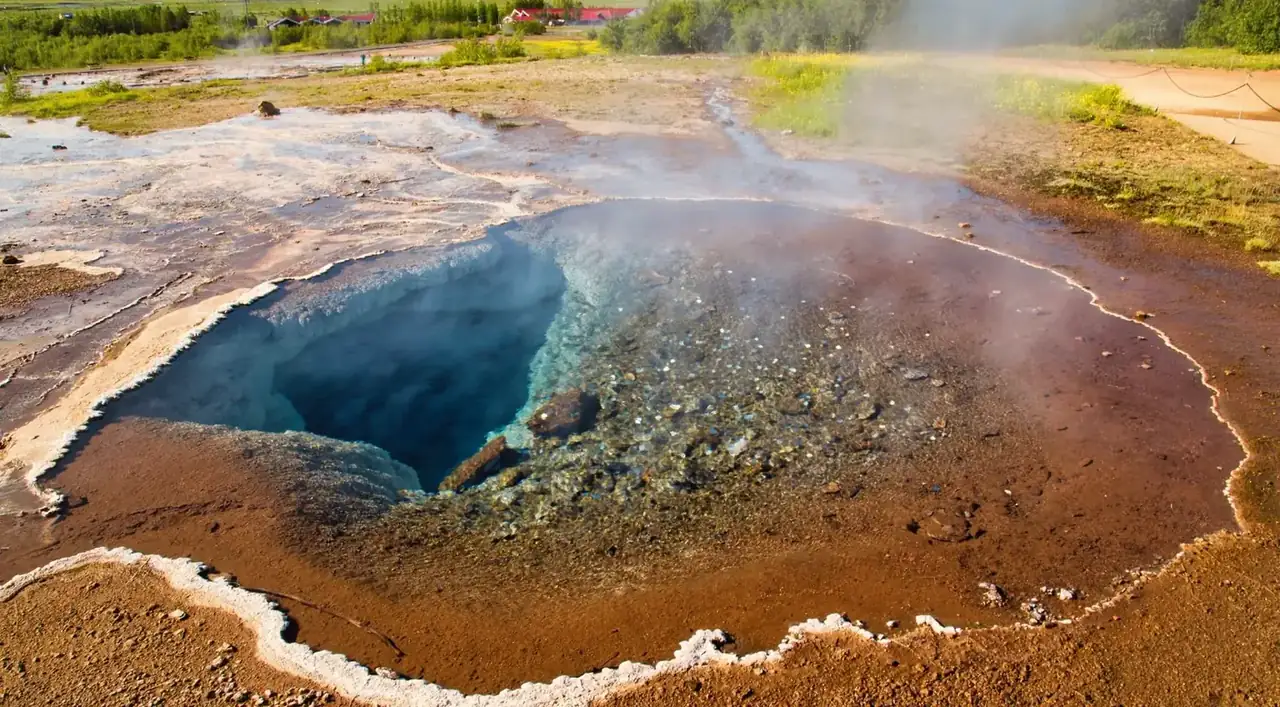
Does Geysir still erupt?
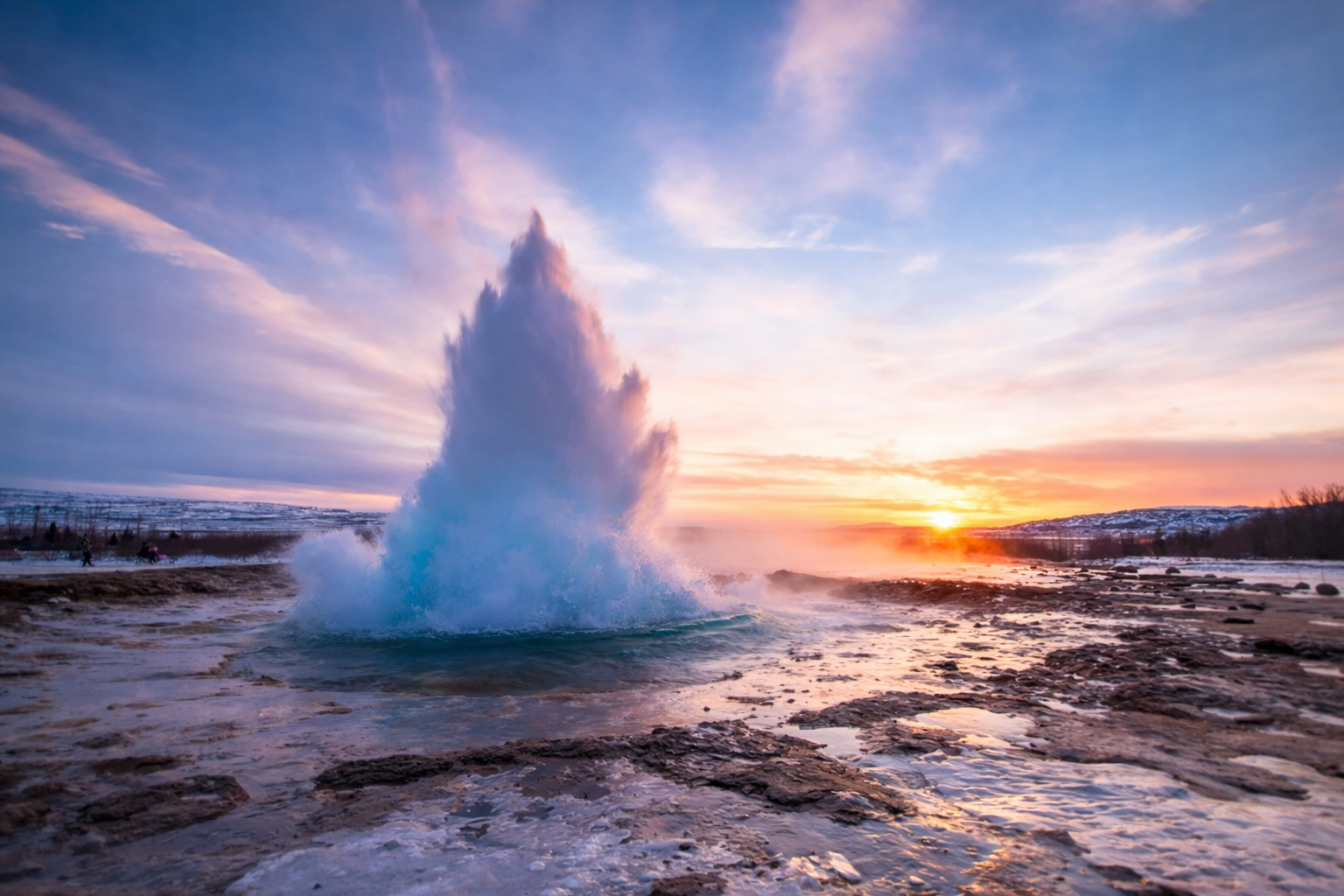
The original Great Geysir is mostly inactive today, but the nearby Strokkur geyser erupts regularly and is
the main attraction at the Geysir geothermal area. Most visitors watch Strokkur erupt during their Golden
Circle stop.
How often does Strokkur erupt?
Strokkur usually erupts every few minutes, making it one of the most reliable natural sights on the Golden
Circle. Eruption height and timing can vary, so visitors often wait through more than one eruption.
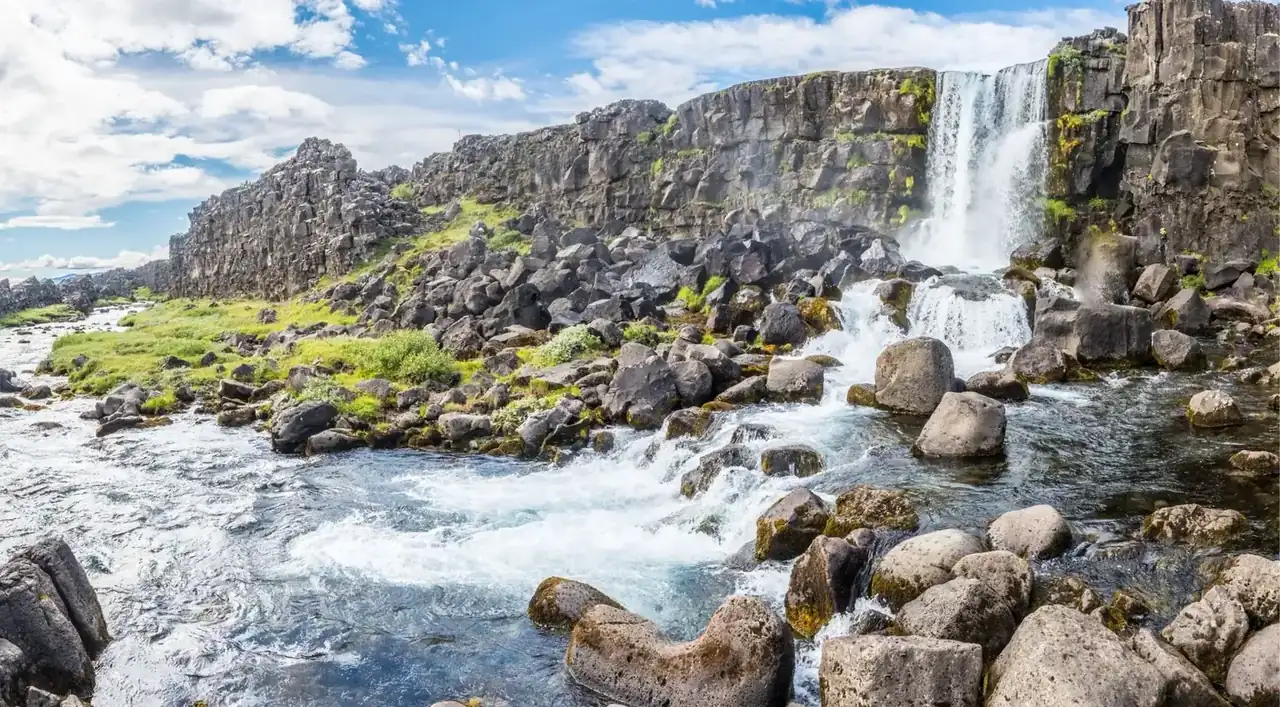
Is Gullfoss waterfall worth visiting?
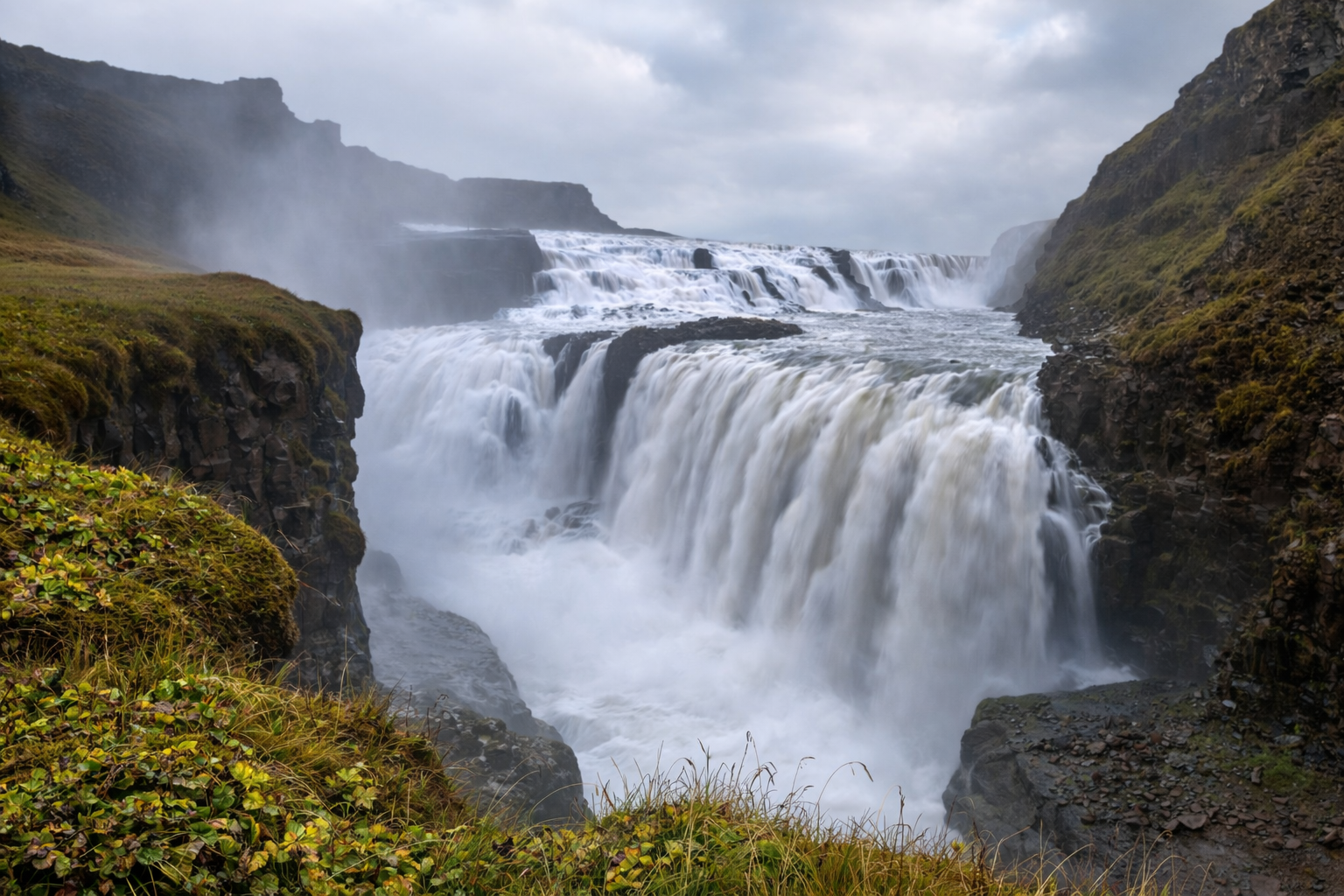
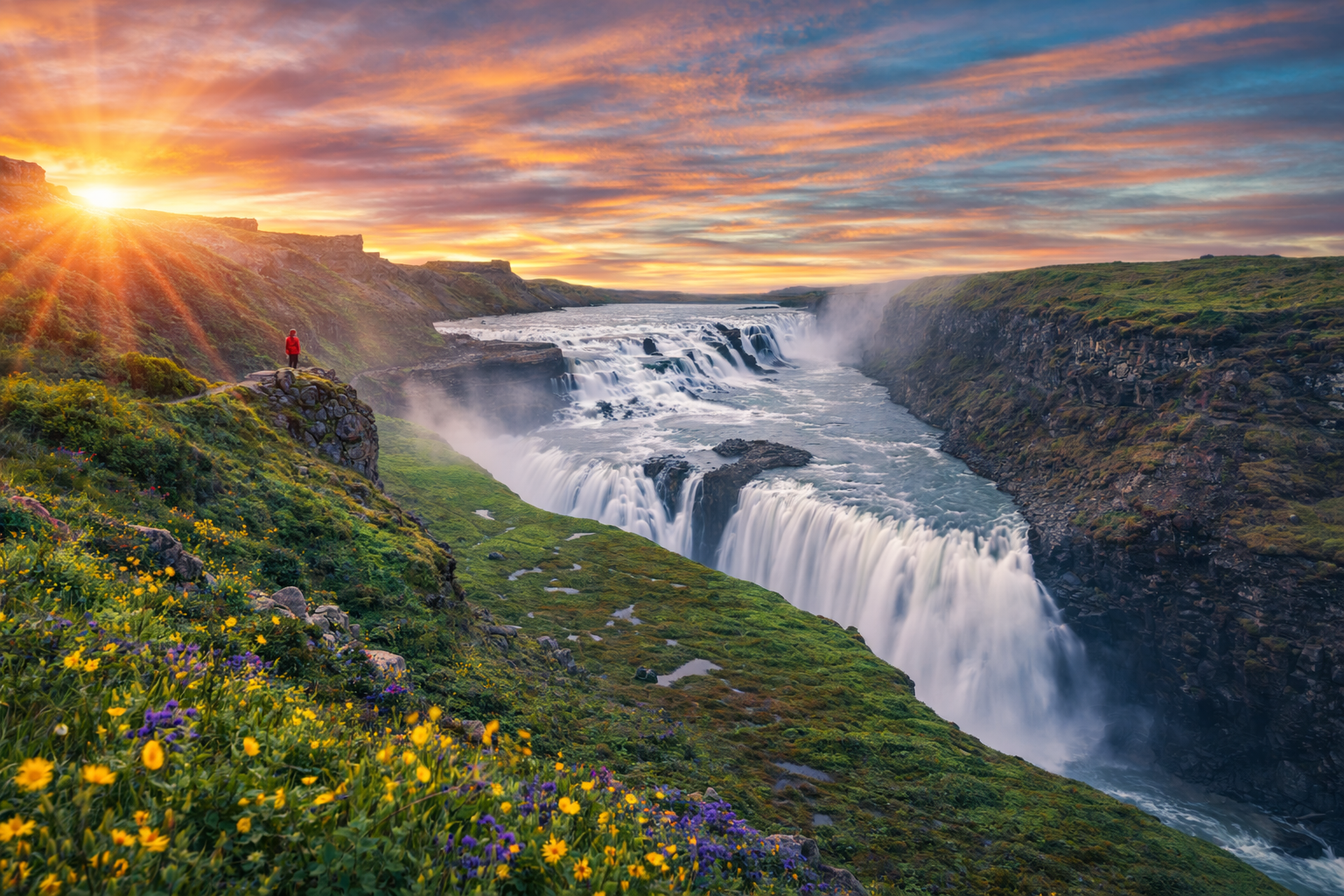
Yes, Gullfoss is one of the highlights of the Golden Circle. The waterfall drops in two stages into a
dramatic canyon and is impressive in every season. In summer, visitors often see powerful glacial water
flow, while in winter the surrounding ice and snow create a striking landscape. Learn more in our complete
Gullfoss waterfall guide.
Is Kerid crater part of the Golden Circle?
Kerid crater is not one of the three classic Golden Circle stops, but it is one of the most popular extra
stops on the route. Many tours include it because it is easy to add and offers a different type of
landscape: a volcanic crater lake with colourful slopes. See our
Kerið crater guide for timing, entrance fee, and what the visit
actually feels like.
What are the best extra stops on the Golden Circle?
Popular extra stops on the Golden Circle include Kerid crater, Secret Lagoon, Fridheimar tomato farm,
Bruarfoss waterfall, Laugarvatn Fontana, and Skálholt. The best choice depends on whether you want a
shorter sightseeing day, a hot spring experience, food, photography, or extra waterfalls.
Can you combine the Golden Circle with the Northern Lights?
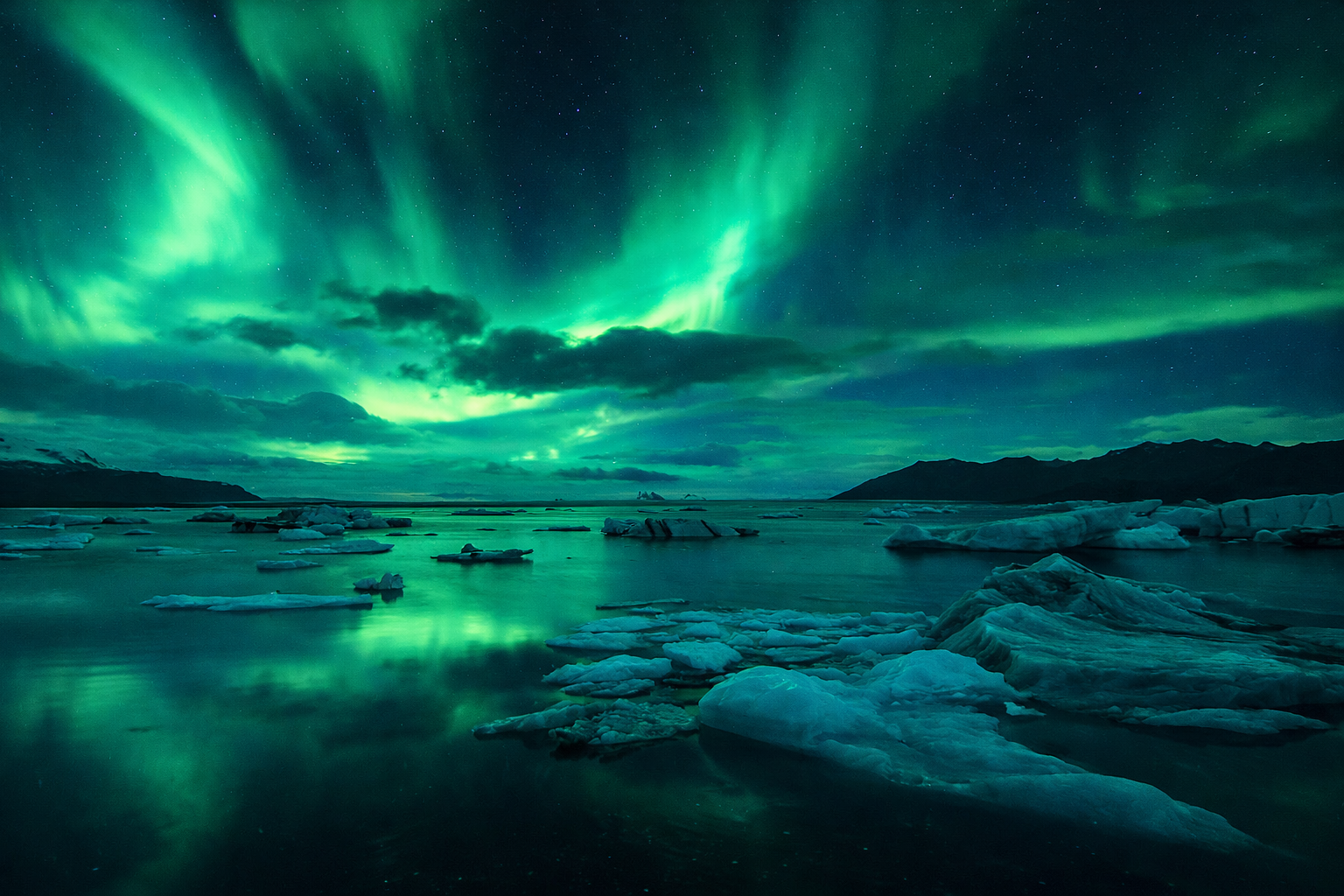
Yes, some tours combine the Golden Circle with a Northern Lights hunt in winter. This can be a long day
because the Golden Circle is done during daylight and the Northern Lights search happens after dark.
Northern Lights sightings are never guaranteed and depend on weather, cloud cover, and solar activity.
See our Best Time to See the Northern
Lights guide for the best months and viewing conditions.
Can you combine the Golden Circle with Secret Lagoon?
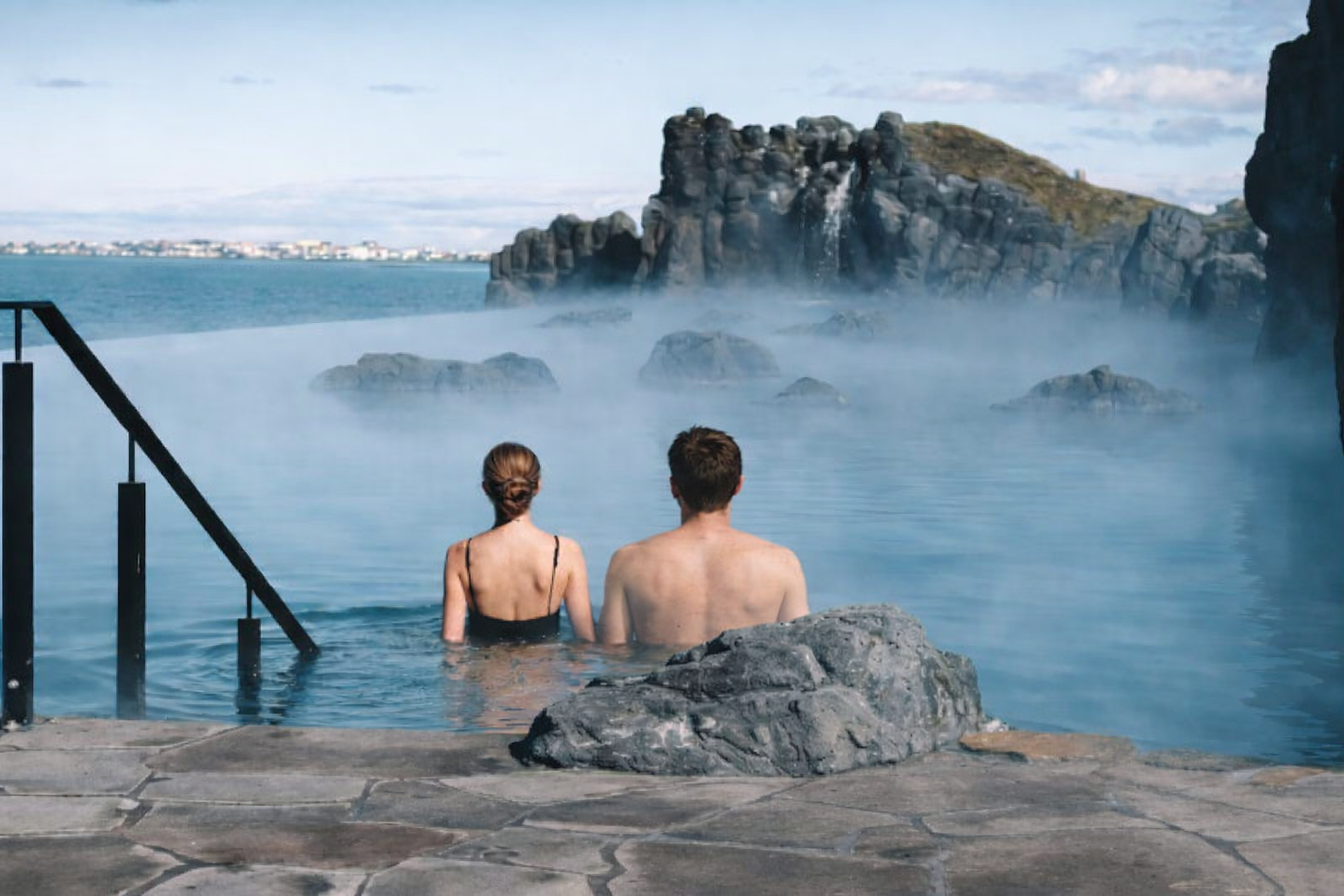
Yes, the Golden Circle and Secret Lagoon are a popular combination. The Secret Lagoon is easier to combine
with the Golden Circle than the Blue Lagoon because it is located closer to the route. It is a good option
for visitors who want sightseeing plus a geothermal bathing experience. Our
Secret Lagoon guide covers when it is the smarter add-on than the
Blue Lagoon.
Can you combine the Golden Circle with snowmobiling?
Yes, some Golden Circle tours include snowmobiling, usually on or near Langjokull glacier. These tours
are longer and more expensive than standard Golden Circle tours, but they add an adventure element to the
classic sightseeing route.
What is included in a Golden Circle tour?
A typical Golden Circle tour includes transport from Reykjavík, a guide or driver-guide, and stops at
Thingvellir National Park, Geysir geothermal area, and Gullfoss waterfall. Some tours include hotel pickup,
extra stops, entrance fees, or activities, but inclusions vary, so it is important to check the tour
description before booking.
Do Golden Circle tours include hotel pickup?
Many Golden Circle tours include hotel pickup or pickup from designated bus stops in Reykjavík, but not
all do. Some tours require you to meet at a central departure point. Always check the pickup details before
booking.
Is lunch included on Golden Circle tours?
Lunch is not always included on Golden Circle tours. Many tours stop at places where you can buy food,
especially around Geysir or Gullfoss. If lunch is included, this should be clearly stated in the tour
details.
Are there toilets on the Golden Circle?
Yes, there are toilets at several major Golden Circle stops, including visitor centres and service areas.
Some may require a small fee or be connected to cafes, shops, or visitor facilities.
Do I need to book the Golden Circle in advance?
It is a good idea to book Golden Circle tours in advance, especially in peak travel seasons, during
holidays, or if you want a small-group tour, a lagoon combination, snowmobiling, or a specific departure
time. Standard tours are often available at shorter notice, but popular options can sell out.
How much does a Golden Circle tour cost?
Golden Circle tour prices vary depending on the operator, group size, duration, pickup arrangements, and
included extras. Standard coach tours are usually the cheapest, while small-group tours, private tours,
lagoon combinations, and snowmobiling tours cost more.
Is the Golden Circle too touristy?
The Golden Circle is one of Iceland’s busiest sightseeing routes, so it can feel touristy, especially in
summer and around midday. However, it is popular for a reason: the main stops are genuinely impressive and
easy to reach from Reykjavík. Starting early, travelling later in the day, or choosing a small-group tour
can make the experience feel calmer.
Golden Circle or South Coast: which is better?
The Golden Circle is usually better for first-time visitors who want a shorter, easier day trip with
history, geothermal activity, and a major waterfall. The South Coast is often better for visitors who want
black sand beaches, large waterfalls, glaciers, and a wilder road-trip feeling. If you have time, both are
worth doing.
Golden Circle or Blue Lagoon: which should I choose?
Choose the Golden Circle if you want sightseeing, landscapes, waterfalls, and geothermal activity. Choose
the Blue Lagoon if you want a relaxing geothermal spa experience. They are very different, and many
visitors do both on separate days or combine them in one longer itinerary.
Should I skip the Golden Circle if I am doing the Ring Road?
Not necessarily. If your Ring Road itinerary already includes many waterfalls, geothermal areas, and
national parks, the Golden Circle may feel less essential. However, Thingvellir, Geysir, and Gullfoss are
still distinctive and easy to add at the beginning or end of a wider Iceland trip.